
🧿Cuban Brujo and Espiritista��️🍄Florida Forager, Witch, Animist 🦇He/Him Linktr.ee/MagicaGuajiro
Don't wanna be here? Send us removal request.
Statistics
We looked inside some of the posts by magicaguajiro and here's what we found interesting.
Average Info
Notes Per Post
8K
Likes Per Post
5K
Reblog Per Post
3K
Reply Per Post
80
Time Between Posts
21 days
Number of Posts By Type
Text
7
Note
10
Last Seen Tumblr Blogs


Fun Fact
Tumblr is available in 18 languages.
Text
Florida-Taino Spiritual Connections: Piedra de Rayo, Petaloid Axes and Splitting Hurricanes

Following research, travel, and some really good conversations, I think I may have found a cultural connection between modern Indigenous Floridian and Caribbean Indigenous cultures, both revolving around Axes and Hurricanes! My conclusion is that these coinciding beliefs stem from a mutual participation in the South-Eastern Ceremonial Complex. Further evidence for this is seen in comparing Ciboney with Calusa and Tequesta practices and artifacts, including the mounds found throughout Florida and in parts of Cuba, like Campechuela where my family is from. After reading Behike Miguel Sague’s article here about ceremonial Taino hatchets, as well as the book Seminole Legends by Betty Mae Tiger Jumper, coupled with my own experience in la Regla de Ocha, I plan to present the facts to you here. I do also have taboos to respect, so if I don’t explain the why or how of something it is most likely on purpose.
Let’s start with the Caribbean Roots:
In Cuba specifically, many African and Indigenous traditions were preserved through practices deemed “African Traditional Religions”. It is only recently that we are learning and acknowledging the extent that Indigenous Cubans influenced these practices through their herbal knowledge and connection to the Land, both of which are needed to make these practices work effectively. The example I am talking about today will be about the Piedra de Rayo or Thunder Stone. These small tear shaped stones are used throughout Cuba in Ochá, Palo Monte and Espiritismo Cruzado and Cordon for various purposes. They are said to call or repel lightning and have an effect on the weather. They are associated with strength and protection. They are included in the prendas or pots of Spirits who are often associated with thunder and lightning, as the name suggests. What is less known is that these piedras are often actually artifacts of Ceremonial Petaloid Hatchets, basically the blades of stone-age axes or grinders. They were also utilized during rituals amongst the Indigenous Cubans and also found throughout the Americas. If you read Behike Sague’s article it will explain all of this.


Now let’s examine the Seminole myth:
In many Indigenous Cultures, including both Taino and Seminole beliefs, Twins are held in a high esteem and believed to be connected to the Weather through the Divine. In Cuba, we see the twins Boinayel and Marohu representing the Rains and Clear Skies respectively. In Florida, we see the Seminole belief that twins represent Thunder and Lightning. For this reason, twins are often separated at birth for the fear of a storm harming the Chickee. There is a myth of two twins born conjoined and therefore inseparable. When the town finally couldn’t handle the constant weather problems, a Medicine Man took a blessed axe and split the twins right down the middle, separating them and ending the foul weather. We also see another belief in the Axe’s spiritual splitting power in the Seminole Folk Charm of Hurricane Splitting, which I go into detail about in a previous post.
Now let’s talk the connections:
Its worth noting that the traditions of these important stones were preserved specifically in Cuba more than the other Islands. Also, given the fact that much of Cuba was inhabited by a separate cultural group than the Classic Taino, I think its certainly possible the association of these axes in ceremonial settings and their connection to the weather must be tied to a common source. Whether this means the Ciboney and Guanahatabey of Cuba had a connection with the Calusa, Tequesta or Timucua is past my scope of knowledge but it does seem to support this theory. We also know post-contact, a village called “Abaibo” was established in Calusa territory (near present day Marco Island) by Indigenous people fleeing Columbus in Cuba. But to get back to the point, clearly both of these groups understood axes to be divinely tied to Weather. It is also worth adding Guahayona, the One Foot Hero-figure of Taino Myth was also known to hold one of these axes, and now his constellation is used to track weather cycles. Another interesting connection. These one-legged heroes are often found throughout the Americas in Indigenous oral histories. Nevertheless, these stones offer us a valuable tool and glimpse into one of the Mysteries of our ancestors.
Utilizing the Piedra de Rayo:
Finding a true Piedra de Rayo is one thing, buying it is another. Like all things in spirituality, the commercialization of things has stripped authenticity and made good sources scarce. Poachers often raid burial sites and mounds for these artifacts to sell. Don’t do this, it’s an easy way to ruin your own life, both legally and spiritually, by digging through someone else’s grave. This also means true piedras are rare now, and the ones in Botanicas are often productions made to resemble the artifacts. If you are meant to find one you will and it won’t be in a protected area. If you can ethically source a real one to buy, all power to you, otherwise do not feel bad about purchasing a replica from a Botanica or producing one yourself! Your ancestors will recognize the form of the tool and actions you take, and it is possible they bought their ceremonial axes from a skilled artisan at the time too so why should we feel shame for doing the same. Many say they appear every 7 years, or where lightning strikes dirt under a ceiba. Some say they wiggle out at night to return underground during the day. These stones are often treated as living beings, another nod to the ways of honoring the Cemi our ancestors passed to us. There are four main goals when working with these potent allies.
The first is obviously for weather. Our Taino ancestors’ spiritual systems placed major emphasis on agriculture, and in turn the weather. Depending on the weather, you could live a life of labor or a life of ease. This meant you needed ways to appeal to and even influence the weather day to day. The piedra de rayo offers a simple way to do just that. Whether you are in need of rain or sun, simply give an offering of tobacco and alcohol or perfumed water to the piedra. Additionally, guajiros bury them in the East corner of a new conuco or field to consecrate it, calling on the power of the rising Sun through the stone.
The second form is as a protective amulet. Piedras de Rayo are lightning medicine. They are intrinsically tied to the primordial energy of lightning, and in turn with fire, sudden violence, car crashes and other fast bursts of energy. They have a magnetic relationship with these forces, meaning they can both attract or repel them depending on their “charge”. These stones can be worn to ward off evil eye and protect yourself from hexes and witchcraft, or kept in your car or pocket to protect you from accidents or harm. They also can be useful if you know ahead of time that some extra strength or willpower will be needed, granting the carrier heightened endurance and power in physical feats.
The third way to utilize it is in healing ceremonies. This method is seen both in modern times and historically. In the chronicles of the Caribbean and Florida, we know they used ceremonial hatchets to perform a type of non-invasive surgery, basically spiritually conducting the healing rather than physically. This practice using the Piedra de Rayo is still seen today, but it is highly rare. Using the blessed and charged stone, you first identify the issue and then drag the stone and massage the problem area, usually accompanied by prayers as well as baths or other workings. Every practitioner does things in their own way, and it is said some can even produce physical objects taken from the persons body with this method, like the Behikes in the past were said to do.
And the last way to work with the Stone is as a spirit itself. These stones can be used as the home or body of a spirit, such as a Cemi or other Ancestral Entity. They can be seated within the stone by following directions given by the spirit to create a suitable vessel. This can include burying, carving, wearing, praying over or creating an altar to the stone. It can also include much more or less. This is one way they were used by our Indigenous ancestors as well that has passed directly from Ceminismo into the various traditions through the Caribbean today. Much of how the stone is used comes down to how you charge it, but that can mean two things. To charge it is for it to be consecrated and given offerings based on what you are trying to achieve (i.e. perfume and flowers when for healing vs rum dripped on it and tossing it in a flame for protection). For it to be cargada means it has had a spirit seated upon it.

To build a relationship with one of these stones is a beautiful gift. They are more than just allies or tools, and the tradition of honoring and respecting them is one that I take pride in continuing as a Guajiro. These lifeways prove continuity and are the very thing that turns the Taíno extinction myth on its head.
Ahan Katu
Sources:
Dreaming Mother Earth by Jose Barreiro and Cacique Francisco “Panchito” Ramirez
Account of the Antiquity of the Indians by Fray Ramon Pané
Legends of the Seminole by Betty Mae Tiger Jumper and James E. Billie
Taino Ceremonial Petaloid Axes by Miguel Sague
#witchcraft#florida#bruja#brujeria#florida witch#swamp witch#witch#bioregional animism#santeria#traditional witchcraft#espiritismo#taino#taino spirituality#folkloric witch#cuban#animism#caribbean#atr#cubanfolkmagic#espiritista#floridian
19 notes
·
View notes
Note
In your intro post on Instagram, you say you’re part 7th generation Floridian, what does that mean?
Hello!
On my instagram intro I do mention that I am a 7th generation Floridian, meaning my first ancestor to live and die in Florida was my Great Great Great Great Grandfather and we have all been Floridian since.
In my post I don’t think I mention being “part” anything. Personally I don’t really enjoy that term I am of the belief that I am a whole person!! I hope this makes sense 😄 I am Cuban on one side, Floridian on the other. I can trace my ancestors back even farther in Cuba than the 7 generations in Florida.
Thank you for the question!!
1 note
·
View note
Text
Major Folk Magic Resource Update
Hey everyone, sorry I have been MIA on here. I have been working on transferring some things to other platforms as well as researching deeply on a specific topic that is coming soon.
Until then tho I am happy to announce my new
FOLK MAGIC PDF LIBRARY!!
It is a google drive full of documents I am compiling that serve as resources to anyone looking for information on Florida or Caribbean folkways, magic and history. And it’s completely free!
I have been trying to figure out how to share PDFs with you guys for the longest and now I finally can! It is all gonna be in a google drive folder. I read everything through before I add it to vet the info, not saying it's all 100% accurate but it is vetted for BS.
I split it up so far into Caribbean and Florida subsections but l imagine these will grow and I will keep adding to them as I read more.
To access the library through google drive you can click here or use the link I added to the original Resource List. This library does not replace the Resource List by ANY means, but rather offers some good reads for anyone ready to dive deeper on certain concepts that I can’t otherwise link to.
Happy reading, Ahan Katu
Resources for Cuban and Caribbean Folk Magic 🇨🇺
Disclaimer: Cubans are not a monolith so when we say ‘Cuban Folk Magic’ its like saying ‘American Folk Magic’ in the sense that it is a BROAD term that includes multiple different cultural threads and traditions. Start by researching your ancestors and where they were from as a jumping off point.
Also, many of these resources are not Cuban themselves, but they either share the same practices or are academic or general sources. I have made it clear when a source isn’t Cuban. For this reason, I have expanded it to be the Cuban AND Caribbean Folk Magic List.
The List
Creators:
Irka Mateo - Taino - Insta 🇩🇴
Religion.Ancestral.Taino - Insta 🇵🇷
Sancista Brujo Luis - Espiritismo/Taino-Youtube | Blog 🇵🇷
OkaniLuna - Brujería/Taino - Youtube🇩🇴
Juliet Diaz - Brujería/Taino/Author - Instagram 🇨🇺
Sancista 7 Espadas - Espiritismo - Insta 🇵🇷
Odofemi - Regla de Ocha - Tumblr 🇺🇸
Eve the Medium - ATR/Espiritismo - Youtube 🇩🇴
Yeyeo Botanica - ATR/Espiritismo- youtube 🇺🇸
Botanica Candles & More - Great Podcast!! - youtube 🇨🇺 🇺🇸
Connecting w/ Guides and Goals by Adunola - youtube 🇺🇸
Hatuey Museum of Archaeology, Baracoa, Cuba - Taíno archaeologists photos and blog - Link
Florida Memory - Photos and Articles on Folk History of Florida and surrounding areas - Link
Articles
San Lazaro - Wikipedia - Novena - Yeyeo Botanica
Caridad del Cobre - Wikipedia
Orisha and Palo Herbs Directory- Website
Ewe (Herbs) Photo Guide - Website
Pueblo Originario Taino Section - Website
Taino and Agua Dulce essay by Jorge Estevez - Link
Memoir of Florida’s Indigenous People by Hernando Escalante de Fontaneda - Link
Tacachale: Essays on Indigenous Floridians by Milanich and Proctor - Link
Huellas Indigenas en Cuba - Taino Spirituality in Cuban Folk Magic Article - Link
Juracán: The Sacred Meteorology of Swamp and Storm by Jazmin Calderon Torres
Books:
Taino Library* - Amazing resource for books of all kinds, many books about Taino and Caribbean Spiritualities, Folklores and Songs! Multiple books on Cuban Myths and Folktales! Highly recommend - Website 🇵🇷
Espiritismo by Hector Silva🇩🇴
A Year in White by C Lynn Carr
The Modern Art of Brujería by Lou Florez(VERY BASIC just as a general introduction to what alot of modern Folk Practices look like)
American Brujeria by J. Allen Cross 🇲🇽🇺🇸
El Monte by Lydia Carbera 🇨🇺
Palmetto Country by Stetson Kennedy - Link
Movies and Videos:
Cecilia (1982) - Youtube
Las Profecias de Amanda - Youtube
Susie Jim Billie, Medicine Woman Interview - Link
Proyecto Cuba Indigena - Link
Miguel Sague, Taíno Spirituality - Link
Free Folk Magic PDF Library
**This list will grow as I find more resources that are reliable enough to share. If you have recommendations or would like to be added, please reach out.
Luz y Progreso 🕯️
(I also have included a Research Guide below the Cut!)
Guide to researching based on your ancestry:
If your family has African roots, you can seek Ocha/Lukumi, Palo, Arara, Cuban Vodou and other African Traditional Religions and Practices. Please approach elders within these respective practices to further your connection to them, rather than using books to create a practice for yourself. These are ancient, community based and are lifelong commitments, not just trendy powerful spells for you to get what you want.
If your family has indigenous roots, research Taino spirituality and modern practices , but also know that there were other tribes in the western and centeral parts of Cuba, with their own languages and traditions you can still learn about like the Guanahatabey. You may also consider joining a Yukayeke, but this isn’t required. Reconnecting and decolonizing is a separate and important topic that is not inherently witchcraft or folk magick-y… HOWEVER, researching and informing yourself with these practices can help you to see their influence within modern folk practices.
If your family has Asian roots, research the buddhist cults and folk practices throughout Cuba! Believe it or not, we also have people of Middle Eastern descent in Cuba who brought with them their own Hindu and Arabic Folk Traditions, which can be found throughout Cuba and the Caribbean as a whole.
If your family has Spanish roots, research some open practices like Espiritismo and Folk Catholicism! Look into the Patron Saints of Cuba, La Virgen de La Caridad del Cobre and San Lazaro. These also tie in to many of the other cultures who were forced to adopt certain elements to ensure survival of their traditions! You can also look into Brujería. Much like modern witchcraft, modern brujería has been commodified to hell and back, but there is still some great knowledge and power to be found there.
The fact of the matter is, that most of us can fit ourselves into two or more of these categories, and this crossover is where Folk Magic is often born. Its also important to note, in alot of these traditions you shouldn’t learn or share certain things at certain times, so some sources who share too much about Ocha and other ATRs should be avoided. Also, I can’t stress how important it is to talk to your family! Ask them about folklore or legends and stories! Also research history and folkore of the specific areas in Cuba your family is from. A-lot of folk magic is incorporated into stories.
Bendiciones, good luck on your Journey!🦎🐊

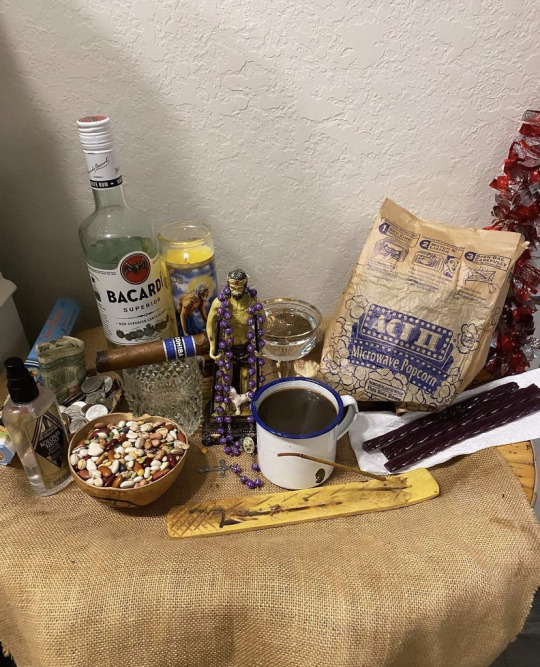
#caribbean#cubanfolkmagic#espiritista#folkloric witch#animism#atr#witches#grimoire#brujeria#bruja#swamp witch#florida witch#florida#indigenous caribbean#taino spirituality#taino
195 notes
·
View notes
Note
Im Puerto Rican & Dominican and have been practicing witchcraft for years but nothing that connects to those roots because I feel I’ve been strongly like ‘whitewashed’ or something like that. I understand some Spanish, but don’t really speak any and I don’t know too much of my culture. But I’ve been wanting to learn and incorporate what I do learn into my practice to feel more connected to said roots.
I guess I’m just wondering, in your opinion, would that be any sort of disrespectful move on my part? Or seen as being fake in some way?
Hey! Thank you for the question!!
Reconnecting to your culture is a long process and can be very difficult, especially when you feel imposter syndrome. The important thing to remember is that, to some extent, these traditions are your birth right. Even if you were not raised with the traditions, someone in your family history likely was and returning to these ancestral practices is a form of decolonization!! I think the best place to start is by researching your specific family roots within the Islands! Yes, you are Puerto Rican and Dominican but what kind of people were your ancestors? Were they wealthy, or were they working class? Were they educated or well-known for any reason? What part of the islands are they from specifically? And were they African, Spaniard, Indigenous, Asian or some other ethnicity that you can trace a spiritual lineage to?
I am not Puerto Rican or Dominican, so I can’t speak as much on the traditions from those islands such as Sanse or 21 Divisions. Broadly for the Caribbean though, Espiritismo can be found in various forms and is actually (technically) an open practice! I would advise against trying to incorporate spirits like Lwa or Orisha into your practice without first seeking in person guidance from an initiated Priest! Even espiritismo can be tricky but by starting simple with a glass of water and white candle you can ask your good and guiding spirits and ancestors to guide you to the right community.
Also, my biggest recommendation for learning the language is music, both spiritual and normal. Listening and singing to it can help alot and theres so many songs about saints and the like that you can learn for your prayer time. Also watch spanish-speaking latine youtubers, once again both in the spiritual genre and just in general Overall, don’t sweat spanish too much as its just as much a colonizer language as english but it definitely can help in reading sources and connecting with people that are from these practices.
I hope this helps and please reach out with any other questions you may have.
Luz y Progreso
#witchcraft#bruja#brujeria#florida#florida witch#swamp witch#witch#bioregional animism#santeria#traditional witchcraft#espiritista#espiritismo#cubanfolkmagic#cuban#caribbean
10 notes
·
View notes
Text
Caribbean Folk Saints and Mighty Dead: San Lázaro
Patron of Cuba, Father of the Earth, Lord of the Mound, Man of the Crossroads, Babalú-Aye, Asojano. San Lazaro has had many titles attributed to him throughout his existence within the Caribbean. But who is this Saint, and why is he so important to Cubans all over the diaspora?

Origins
Like Caridad del Cobre, this beloved folk saint has multiple origin stories even within each separate community. To cover the catholic versions lightly, he is a combination of two separate biblical figures, Lazarus the Beggar who was treated poorly by a king at the table in life only to return the favor in the afterlife, and Saint Lazarus of Bethany who was raised from the dead by Jesus. The image used in veneration given the name San Lazaro is not the canon Saint but rather the beggar, yet all myths attributed to both are also attributed to the one folk saint.
It’s important to not this slight divorcing from Catholic Canon. This version of San Lazaro still is not canonized to this day. So why would either of these figures end up becoming the patron of a New World country one thousand years later?

From King to Father
San Lazaro is best known for his syncretic relationship with the Orisha Babalu-Aye. This Orisha has a complicated history before he even arrived from Africa. According to one of his origin stories, back in Yorubaland Babalu-Aye was a beggar with disease, feared by the people. they sent him away, with only dogs to guide him. When they banished him, his friend (Sometimes Eleggua, sometimes Orula) went to the Arará people and prophecized that their king woukd arrive from the woods surrounded by dogs. When he arrived he was celebrated as their king and the rest is history.
Other stories say he was a great king from the beginning, but his reckless spirit and unfaithful ways led Obatala to scolding him, and telling him should he continue his ways he would be punished. He continued to party and thus caught a venereal disease from one of his mistresses. The disease spread all over his body and this is sometimes referred to as the origin of STDs that affect the skin. In some versions, he ends up dying and being raised by his friend from earlier, very similar to San Lazaro!
His name even reflects this. Originally Obalouaye and called Omolu Brazil, his name originally meant King of the Earth. In the diaspora we call him Babalu-Aye, Father of the Earth. So as you can see, Babalu Aye can be the both the underdog and the protagonist with too much hubris. He is both a patient old man, and a rowdy drunk who likes to dance. He is a man of immense liminality, existing as both the personification of Healing and of Disease, the Father of the Earth and The Lord of Death. He is the man of the crossroads. In the wet season he runs and lives in the forests, and kn the dry he returns to reign in the cities amongst the people.
It is impossible to mention ATRs and not mention Haitian Vodou. San Lazaro is actually associated with Legba in Vodou, and more strongly tied to the crossroads and liminality. He plays a different but still similarly fills the role of gatekeeper between worlds in a way. His stories of being resurrected also lend to this idea that he is a traveler between the worlds.
Father Earth, Grandfather Fire
Throughout the Caribbean, many times we see multiple Indigenous entities consolidated into one figure. We see this in the way Cuba’s Caridad del Cobre is tied to both Atabey and Guabancex, or in DR where Anacaona and Taiguabo are both tied to multiple Cemí.
San Lazáro shares a similar story. The symbology of the aching old beggar who is truly a king despite his outward appearance is one that resonates deeply in the rural Guajiro communities where value is often placed in eldership and community ties rather than monetary means. Before colonization, Indigenous Cubans held stories of Bayamanaco, considered by some to be the Taino version of Grandfather Fire, an archetypal class of ancestral spirit seen throughout South America. In the creation stories, this old man was a gatekeeper of the sacred plant medicine and magic of Cohoba, as well as being seen as both firm and punishing yet patient all the while, much like our beloved Lazarus.
We also see him take on a role of the masculine counterpart to Caridad del Cobre, in a way acting as Yucahu. One way I have seen it described is Atabey is the dirt, while Yucahu is the plants growing in the dirt so both are the Earth in a way. San Lazáro has become closely associated with many Indigenous plants and healing methods, such as passing with beans and offerings of corn and tobacco. San Lazaro is also deeply tied to the natural world in general.


Practice
There are alot of practices attributed to San Lazáro, including the use of gold milagros although this is more broadly Catholic and I rarely hear of Cubans actually doing this. Rather, our practices have been deemed unworthy of Catholic Canon and yet we persist.
Most commonly you will see people making offerings of mixed beans with red onion, coffee, liquor and tobacco and purple or yellow candles and flowers to San Lazaro in thanks for miracles he has already performed. He is renowned for his patience and love, taking pity on those who can approach him with integrity and appreciate the comedic crassness that is part human life, especially in this part of the world. This is shown because despite his condition, he still loves to have a good time.
Most people will do a sweep with handfuls of beans before placing them in the higuero in front of him. This is done while praying for San Lazaro to help alleviate any disease or health issues and replace them with prosperity and wealth.
On December 17th, his feast day, some of his more devout followers will don burlap for the day, a fabric the Saint holds sacred. They will then crawl on their knees, usually from their statue at home all the way to the nearest church procession. While doing this, the burlap helps to remind us of the skin conditions the saint suffers and the crawling to teach us how it feels for him to walk while being disabled.
In all of his associated practices, we see the theme of humility. We are meant to humble ourselves in his honor. San Lazaro is a humble, patient old man. He is kind and giving, and wants his followers to be the same. The absolute best way you can honor him on any day is simply by treating the unhoused people around you with dignity and respect, and helping them out whenever you are able with food or money. These small acts were instilled in me my whole childhood, and to this day I stand by that most homeless people you meet will treat you better than any rich man. There are even stories of San Lazaro disguising himself as beggars to trick his unsuspecting followers, seeing if they truly take pity on the poor when noone else is around.
This is why it is important to note that Papa Viejo, as he is affectionately called, is known as a two-handed Saint. This is where people’s healthy fear of him stems from as well. He can harm and punish just as easily as he can help. This is another reason we never want to be rude to the less fortunate, because we can be put in their position just as easily. However, this also means he can help to put others in that same position if you know how to petition him.
By using sesame, you can blow it at your enemy or their property and with the help of San Lazaro you will bring pestilence to their home. Just be sure they deserve it and haven’t made better offerings than you did.

Bendiciones 🕯️
#witchcraft#bruja#brujeria#florida#florida witch#swamp witch#witch#bioregional animism#santeria#traditional witchcraft#san lazaro#folk saints#folk magic#folkloric witch#folk witchcraft#folk witch#taino spirituality#taino#caribbean
8 notes
·
View notes
Text
Swamp Witch Q&A!

If anyone wishes to be featured in my upcoming project by leaving a question somewhere around or sending it anonymously. I will tag everyone and possibly show the ask/comment in the project
Blessings🕯️
#witchcraft#bruja#brujeria#florida#florida witch#swamp witch#witch#bioregional animism#santeria#traditional witchcraft#espiritista#espiritismo#animism#folk witchcraft#southern witch#witchraft#folkloric witch#folk witch
6 notes
·
View notes
Text
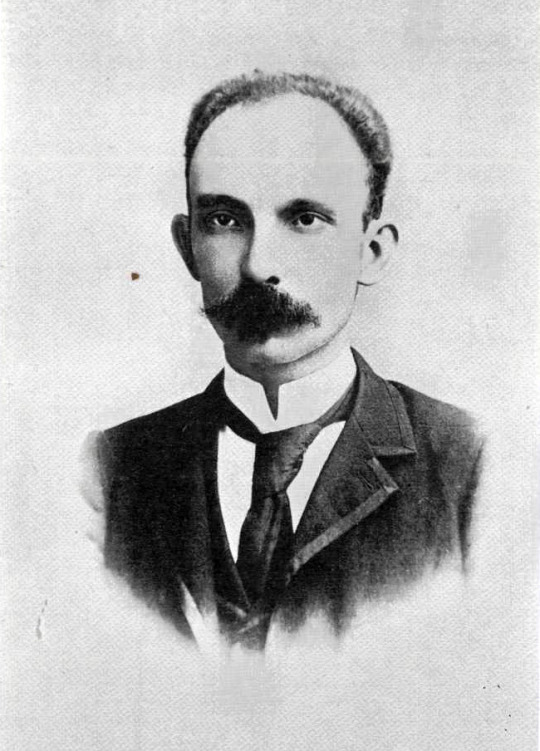
Caribbean Folk Saints and Mighty Dead: José Martí
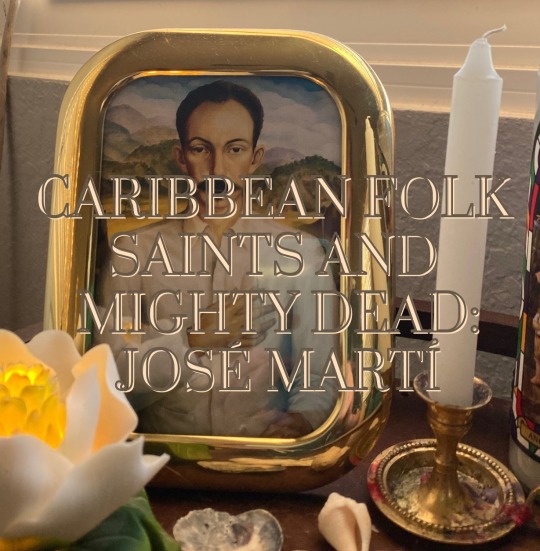
Known as The Apostle of Cuban Independence, José Martí was a poet as well as one of Cuba’s most well known Mambises (revolutionaries) and martyrs. He was born January 28th, 1853 and died in battle May 19th, 1895. His influence on Cuban identity and nationalism are still seen today.
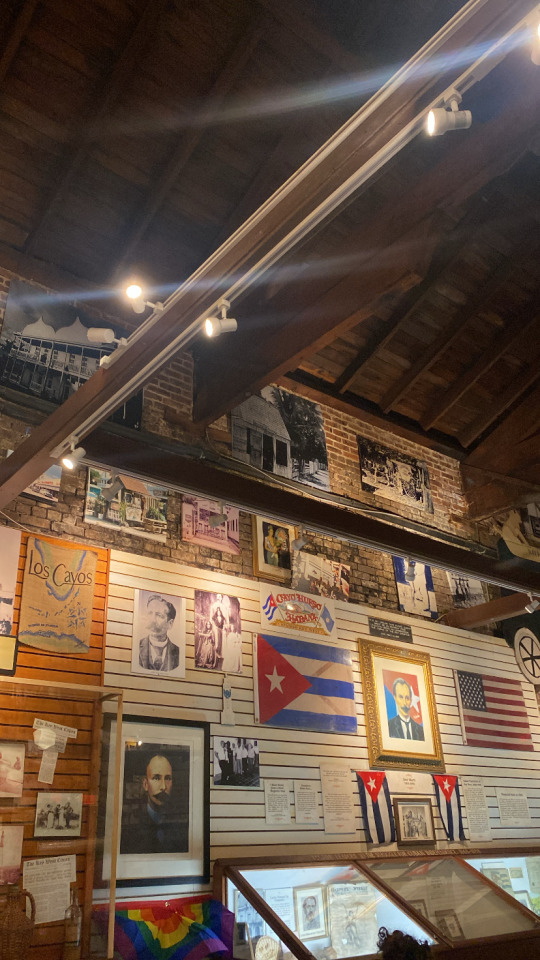
A wall devoted to Martí and Cuban Independence, located at El Meson de Pepe restaurant in Cayo Hueso (Key West).
Any child who grew up in Cuba or with roots reaching back to Cuban Independence will recognize the face of José Martí. His iconic writings have been turned into songs like “Guantanamera”, serving as patriotic anthems of the Cuban consciousness. I know as a child my grandfather told us many times about war heroes like Martí and Hatuey. Both figures are important to Cuba, but also especially important to the Indigenous peoples who have elevated them.
Born a criollo man in the Havana province, Martí was a lifelong activist and writer. His writing on liberation and abolition were vital to these movements in Cuba but also globally. He spent much of his life traveling around before returning to Cuba. He started several newspapers and publications, most famously one simply known as “Patria” where he would share useful information and news that favored the revolutionary cause. Martí was also prolific in his writings on Indigenous Peoples of the whole world, being quoted saying “Until all Indigenous People are liberated, none of us are free”. It was also Martí’s efforts in the East of Cuba that convinced the Indigenous Cubans contracted by the Spanish to instead fight for the revolution alongside their families with the promise of sovereignty and respect.
He founded the Cuban Revolutionary Party in Key West on January 5th, 1892. Thats right, here in Florida. He also worked for the independence cause in Ybor City, planning with former 10 Years War veterans. It’s important to remember at the time of his birth, Florida had not even been a state for a decade. This land was instrumental in the Cuban Revolution from Spain.
His death in the Battle of Dos Rios was the final blow to the Spaniards social hold over the island. It united both revolutionary and loyalist Cubans under a common threat, because Martí along with his lifelong Afro-Cuban Revolutionary partner Juan Gualberto Gómez represented every Cuban who had been beaten by the Spanish system. Though the war did not end for several more years with the intervention of the U.S., this moment is when many consider the war decided. He was buried in Santiago de Cuba.
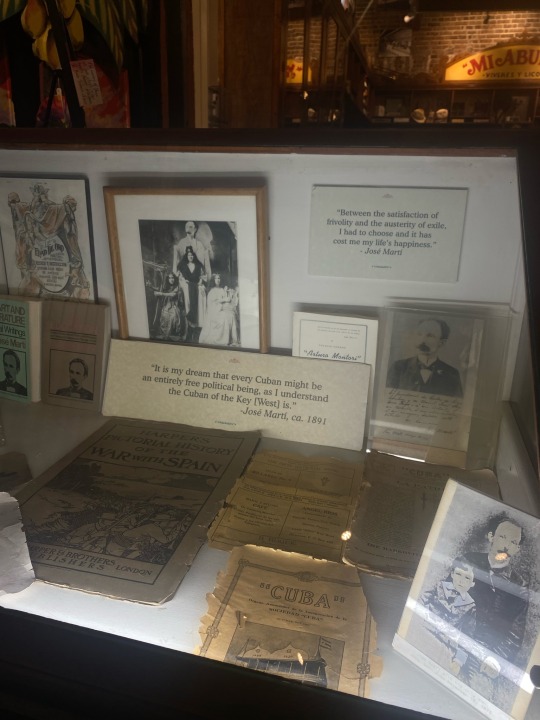
Martí’s exhibit at the same location
VENERATION
For this post, I wanted to take my time and really allow my relationship with El Apóstol to develop and lead me where it led. I can confidently say, after more than six months under his direct tutelage and veneration that I have learned so many new skills and made new connections all which correspond to his more liberating aspects.
He is a spirit of Love at his core. Love for his Land and People but also for the world as a whole. Don’t mistake this for meaning he is a gentle spirit though. He is tough, firm and forceful. He is strong and revolution is essential to his being, whether that be politically or simply intellectually.
I have been honoring him through pilgrimages to sites sacred to him, including Cayo Hueso (Key West) and Ybor in Tampa. I also light white candles in his name, often when writing or creating content especially. I find he enjoys the things I share, so devoting it to him in his honor is one of my favorite offerings. He does also enjoy Tabaco. Be mindful though, working with him may inspire boldness in your choices and language. I know personally I have become less tolerant of colonizer BS on my page since connecting deeper with Martí.
When I am needing inspiration, or seeking guidance or a new avenue of connection as it relates to anything regarding the Land or my ancestry in Cuba, which is a majority of my practice. I also find reading his works aloud and in silence both help to call him in as well as inspire me in moments of blockage. I will include some of his writings so you can get an idea of the words that shaped the Revolution.
Bendicones 🕯️
I Cultivate A White Rose
I have a white rose to tend
In July as in January;
I give it to the true friend
Who offers his frank hand to me.
And for the cruel one whose blows
Break the heart by which I live,
Thistle nor thorn do I give:
For him, too, I have a white rose.
Cultivo Una Rosa Blanca...
Cultivo una rosa blanca,
En julio como en enero,
Para el amigo sincero
Que me da su mano franca.
Y para el cruel que me arranca
El corazón con que vivo,
Cardo ni oruga cultivo:
Cultivo la rosa blanca.
#witchcraft#bruja#brujeria#florida#florida witch#swamp witch#witch#taino spirituality#taino#caribbean#espiritismo#espiritista#cubanfolkmagic#cuban#cuba#folk witchcraft#folk magic#folkloric witch#folk witch
6 notes
·
View notes
Note
I am a witch, and happen to have jamaican maroon ancestry in addition to being african and i would like to to reconnect with my yamaye taino roots via witchcraft and spirituality, but i don’t know how and am scared of appropriating.
Maroons, Cimarrones and Seminoles
Hey dude! You’re already off to a great start if you wanna approach that part of your lineage respectfully and slowly!! As always I recommend finding an elder, especially one who is from the same Island or even region of the Island as you if possible!! Each group we now label Taino was sooo different and not at all a monolith, so exploring your specific island’s and family history is always the first step!
The word maroon is fascinating. It comes from the Taino “cimarron” meaning ‘wild one’ or “runaway”. This was a title given to enslaved indigenous, and eventually african, people in the caribbean. But did you know this is also where we get the word “Seminole”? The point is that all of these maroon groups share many similarities and if you research them and connect with the current living communities you can find your ancestors in places you may not have expected!!
Also, it is my opinion that these spiritual legacies and lineages are our birth right. If you can prove and trace your Taino lineage and grew up in the culture then you are no different from any other Taino elders currently in the modern sphere. We are a reconnecting people, and while many choose to join a yucayeke and pledge to a cacike or behike, it is not required.
Obviously this does not apply to elders of closed traditions that may have Indigenous Caribbean traditions incorporated like Tatas of Palo or Olorichas of Ocha, as those are unbroken lineage traditions that have been passed down. However when it comes to our Indigenous Caribbean spirituality, there is no central authority nor is there any purely Taino form of spirituality that survived to this day and anyone claiming that they hold secret knowledge others don’t or that their way is the only correct way should be looked at with skepticism. (Many practices and even systems did survive, they just have been changed through interactions with European and African traditions)
Research the historical accounts of Indigenous Caribbean practices, the history of the modern Taino resurgence movement, and different ways different yukayekes do things! If one speaks to you, pursue it and see where it leads. We all make mistakes and it is part of the reconnection journey so be mindful and diligent but don’t hold yourself back from your ancestors!
I hope this helps. Luz y Progreso a tus espiritus.
#witchcraft#bruja#brujeria#florida#bioregional animism#florida witch#santeria#swamp witch#witch#traditional witchcraft#indigenous caribbean#taino spirituality#taino#espiritista#espiritismo
21 notes
·
View notes
Note
fav plants? local to your area & not!
Oh gosh theres so many for all kinda reasons!
I have always loved lavender just in general, i think it smells and tastes amazing and is a great plant for getting into herbalism and spirit work since its so approachable yet strong.
As for local ones, I love Romerillo (Bidens alba) aka beggarstick or shepherd’s nettle! Its a wild edible that grows everywhere here. Its great for sweet baths and drawing in luck and prosperity, and especially opportunities. You can also mash it up and use it on but bites and scrapes!!

Next would be Abre Camino or Florida Thoroughwort aka blue mistflower and wild ageratum. This family of plants includes a few species and all are great for baths and spells regarding clearing blockages and aligning yourself with your destiny. They are also just beautiful.
As for trees I would say Cypress and Pine are my favs. Cypress can live to be over 1000 years old and were used by my ancestors to make Canoes that could travel hundreds of miles carrying literal tons, and has ties to burials. Pine is an ancestral ally to me, my family is from Isla de Pino in Cuba and have always lived among the Pinelands and swamps even here in FL.
Thanks for the ask!!
0 notes
Note
Thank you so much for answering the previous question!! I appreciate it!! 🖤 I also wanted to ask more on a personal practice question but how do you incorporate animals into your practice? I came from TikTok and saw you use an alligator head and wondered what your relationship with animals being involved in your practice was. I also wondered if that was an open practice to incorporate deceased animals like alligators in your space. I’ve seen it practiced mainly in hoodoo! Thank you again for your help!
Hey so in my personal practice I use animal parts in a few different ways. As a witch and animist, I use them a lot to connect to not only the individual Animals themselves and bring them into my space, but also the Animal Proper, or Archetype. I also use them as vessels to house spirits I work with, and in spells and rituals to draw on specific energies based in ecology and anatomy usually, but also vibes.
It is totally an open practice to use animal parts! The most important thing to remember is to source it ethically and respectfully if possible. Always research your local laws on what animals you can and cannot own, as well as what animals you should probably leave alone because of their sacredness in Indigenous traditions.
I also come from a couple different lineage practices that involve using animal parts and even at time sacrif1ce (A.S.). I totally think that A.S. has a place in modern faiths and practices but I also believe it needs to be done ethically, which includes a multitude of factors I am happy to go into if anyone is interested!
3 notes
·
View notes
Text
For the witches and pagans who need to hear it, connecting with nature is supposed to be about like, actually observing nature over long periods of time, not doing stuff like hoarding endangered bird feathers and beach sand, or just meditating out in aesthetically-pleasing locations. Can you tell me exactly when your wildflowers and weeds start blooming? When do your bugs come out of hibernation? When do migratory birds come and go? How does the air feel during different times of year? If you can't do stuff like that, you aren't connecting with nature.
8K notes
·
View notes
Note
Hello!! I am not from Florida or an Espiritista but I am a Mexican bruja! And wondered how can someone get into Espiritismo who has no experience or close connections to anyone who also has that practice? I saw that it’s always best to work with someone so they can guide you in the practice. But wondered if you have any tips or advice for someone getting started on the path.
Hey dude!!
So you can totally start working with basic espiritismo while searching for community. I would first recommend setting up a bovedá! I have some posts and my resource guide has videos and creators who go over all the ins and outs of it, but its a great place to start because your spirits can end up guiding you to community! Id also recommend reading the books on Spiritism and Mediumship by alan kardec, and the book Espiritismo by Hector Silva to get an idea of what classic and folk espiritismo can both look like. Ultimately though, your goal should be finding a mentor.
So my second piece of advice is always get connected to someone local! If you go on google or apple maps and look up Spiritualist Temple, Centri Espiritual, Templo Espiritista, or CUUPS Churches you will find a wide range of different groups in your area! Some will lean more traditional, some more folk, some more catholic/christian. Some are DANGEROUS or CULTY. Always be careful and talk over the phone or through messaging before going in person if possible , letting people into your spiritual world makes you vulnerable.
I hope this helps! Please feel free to send another ask or a message if you have any other questions!!
Luz y Progreso 🕯️
7 notes
·
View notes
Note
hi, in one of your maracas there’s a cross like symbol,And I think I recognize that symbol! Can you explain more about it? I grew up heavily Cuban including visiting the island every break I get and I think I saw that same exact symbol in one of my trips!
Yes of course!! Here is the Maraca for reference:

So this symbol is actually not specifically Taíno. Much of my family are from a separate Island called Isla de Pino when they lived there. Now it is called Isla de La Juventud. It is known as Guanasa by the Indigenous Cubans and was presumed to be inhabited by a Guanahatabey culture.
On my beautiful island, we have a cave called Cueva de Punta del Este. Caves are sacred to Indigenous Caribbeans, and this one has been called the Sistine Chapel of Caribbean Indigenous Cave Art.
Here is a couple of the many pictures on the cave walls:


Many of these are presumed to represent the Solar System, the Moon’s orbit around the earth, different constellations and planets. The Cross, in mine and others beliefs, is the Morning Star aka the planet Venus. Venus plays a major role in many indigenous myths, especially in the Caribbean. We even see the Seminole having myths and planning ceremonial and social events around Venus, who they call the Bashful Star.
All crosses also represent the Medicine Wheel to me. I didn’t subscribe to the Medicine Wheel 100% at first because I heard some people call it Pan-Indianism and obviously thats something we want to avoid as all of our cultures, although connected, are certainly independent and different. This was until I learned of artifacts found here in my part of Florida that show Indigenous Spiritual Leader’s jewelry depicting what appeared to be a medicine wheel, as well as hearing some Seminole and Miccosukee Elders speak on their Origins of the Medicine Wheel.


I hope this helps!!
#witchcraft#florida#bioregional animism#bruja#brujeria#florida witch#santeria#swamp witch#witch#traditional witchcraft#taino spirituality#taino#indigenous caribbean#indigenous#nativeamericans
17 notes
·
View notes
Note
I also did happen to find this while perusing Taini Library earlier!
I have a question? Let’s say if a Cuban spiritualist was from Pinar del Rio and they have indigenous ancestry however sources say the Ciboney Taino inhabited Pinar del Rio and other sources say the Guanahatabey inhabited Pinar del Rio and other sources say both inhabited land, then which source should that person trust? And do we have information on the Guanahatabey spirituality?
Hey! This will be a long answer about Indigenous Caribbean Identity so check below the cut for more!🌺🌴🐠🦜🌀🦩🥭🍋🟩🥥
This is a complex question. I would say the biggest thing to remember is that the term “Taíno” is an umbrella term to reference many different ethnicities of Arawak-Speaking Indigenous Caribbeans. There were many types of Taíno people, including Timucua and Tequesta in Florida, Lucayo in the Bahamas, Ciguayo in Kiskeya and Igneri in Boriken.
As for the term Ciboney, some say it was a separate tribe but the general consensus is that they were a Taíno ethnicity with a separate but mutually intelligible language. They were connected culturally to groups from Jamaica, Florida, Bahamas and modern day Haiti, where as Taínos of the eastern Caribbean were closer in culture. They also had language connections to the Macorix and Guanahatabeys being Waroid languages, aka where we get the term Guajiro. So the Ciboney are a Taino-Arawak group that had ancestrally mixed with the Waroid Guanahatabeys but still maintained moslty Taíno culture.
There were also many other groups who weren’t Taíno. The most well known is the Kalinago, but the Guanahatabey is one from Cuba that is also known to actually have been in Cuba BEFORE the Taínos got there. They had a culture very similar to the Calusa of Southwest Florida. And this is all pre-Colonization, so these groups were already interacting and moving around for thousands of years.
Then with colonization, many Native groups were transported to other places, and in Cuba specifically we have Taíno migrations from the East to the West very early on. We also have Natives from Florida and Mayans from Mexico, and more natives being brought in to cuba and intermarrying with other ethnic groups. These migrations all affected indigenous communities and led to alot of cultural exchange and mixture, as well as loss.
As for Indigenous Cuban Identity, I claim Taíno or Ciboney Taíno because after colonization any remaining Guanahatabeys were assimilated to Taíno Cimarron (maroon/runaway) groups. I consider Guanahatabeys part of my ancestors but I choose to identify as Taíno or simply Indigenous Caribbean. My family all identify as Guajiros, as do I, which is more a lifestyle but definitely has ties to the Classic Taino, Ciboney and Guanahatabey traditions passed down.
As for trusting sources, I would say read EVERYTHING with a grain of salt. Academics often lack cultural nuance and understanding, which can mean alot of their inferences are flat out wrong so try to stick with confirmed info. It is confirmed the Tainos and Guanahatabeys and Ciboneys all moved around and lived in the same parts of the Island at the same time and separately. As for non-academic sources, just be aware that much of what is passed off as Taino or Indigenous Caribbean culture is actually just Pan-Indigenous or straight up a different culture.
Trust yourself, use your intuition and discernment and always be committed to improving and striving for a culturally authentic, fulfilling and respectful practice that is well rounded in both Spirituality and Community! Whether that is with a yukayeke, with the Indigenous tribes you live near locally or with your own indigenous family and friends! So many Yukayekes in the Modern Taíno community try to claim superiority or that they have all the secrets knowledge and the only correct beliefs. You should be weary of anyone trying to restrict you when their own elders often are reconnecting or were just scholars before becoming pop-up Caciques.
If you go to the Cuban version of Wikipedia, when it is active, you can find better information on the Guanahatabey and Ciboney than on American wiki. Try researching the terms ‘Guayabo Blanco’ and ‘Cayo Redondo’ for information on Ciboney culture and beliefs, and how even within this sub-group there were MORE sub-groups. As the Guanahatabeys were not a ceramic culture, we have very little info on them academically. Try researching Calusa beliefs as they had similar environments and were connected through trade routes.
If you have any more questions I would love to answer them but you should ask them on insta or in chat so I can link easier and answer in more depth!!
My asks are always open still tho :)
Luz y progreso
10 notes
·
View notes
Text
Caribbean Folk Saints and Mighty Dead: La Caridad del Cobre
Few symbols represent Cubanía or Folk Saints better than that of La Virgen de la Caridad del Cobre. For almost as long as Cuba has existed as a colonial country, Cachita has been its Patroness.

La Vida de La Caridad
La Virgen de Caridad del Cobre is the Patroness of Cuba, copper miners, Rivers and Storms, and of violent rebellion. She is a Spirit unique to this part of the world, worshipped as a Goddess, venerated as an Ancestor, worked with like a Witch. The lore and practice of her Folk-Cults have become so intertwined with ancient Indigenous and African Spirits that its almost impossible to separate them. The story of Cachita, as she is called, is where many of her perceived areas of influence come from. Here is a concise telling of her story, of which I will break down and explain the folkloric elements;
"In the 16th Century, three men from Barajagua were out at sea to collect sea salt. Indigenous brothers Juan and Rodrigo de Hoyos and a young Black boy named Juan Moreno, "The Three Juans". A fierce storm came, so they turned to the young boy's Marian medallion in prayer. As soon as they finished their prayer, the skies cleared and up floated the physical statue, which stayed dry in the water. Attached to it was a sign that read "Yo Soy La Virgen de La Caridad".

The Virgin’s Vessel
These men brought it to an official and a church was erected, and all was well for a time. Until one day, when the priest went into her locked chapel to find the statue missing. He alerted authorities and a search ensued, only for her to reappear the following day. This happened three more times, so the people of Barajagua decided she must want to be moved to a different location. They took her to El Cobre, a copper mining town. The people here loved her, and rang bells and celebrated upon her arrival. The disappearances continued.
In 1801, a mestiza girl known as Jabba or Apolonia in the Sierra Maestras came upon the statue atop a mountain, and thus a church was built and the statue moved once again but not far. This is where her church was built once again. Eventually, she made her way to the colonial capitol of Santiago. This was seen by many as a power grab of influence by the government over the Indigenous and African Communities’ sovereignty.
There are many elements to this that represent her patronage. We have it starting with her being found by two Indigenous and one African men. Barajagua is still to this day an epicenter of culture preserved by Indigenous and Black communities of the Island, and in this time it was no different. This shows her patronage and reason for syncretization amongst these oppressed groups. Her power over weather has clear syncretic significance as well. Her being moved to the mining town of El Cobre shows her patronage of Copper and Miners. I will go into more detail, but the message is clear: La Caridad is more than just a Marian Apparition. She is a Spirit of her own, with pacts to act with authority in certain traditions.
The Cemí of Horizontal Waters

As with many aspects of Cuban culture, her roots in ATRs are clear and undeniable. What is lesser known are her ties to Indigenous practices within Cuba. I will mention that some refute these claims, but I recommend the in depth analyses by Olga Portuondo Zuniga and Maria Nelsa Trincado which is where I draw much of my information here apart from family and cultural history. I have spoken before about Atabey, and there is a wealth of information (and misinfo) on her all over the internet. She is the primary feminine Cemí, or ancestral spirit, of the Taíno groups in the Caribbean. She is called the Mother of Waters and is a primordial force of nature as well as an ancestor. She also has significant ties to La Caridad del Cobre, as well as other Cuban Madonnas venerated by the Indigenous Cubans.
Firstly, in her origin story, we see La Virgen has power to dispel storms. Later on, even as recent as COVID, we see dances and festivals held in her honor to bring rain or stop fire. This part has been attributed to come from Atabey, specifically to her destructive form known as Guabancex (Gwa-Ban-Sesh). She is the Cemí of natural destruction, called Cacique of storms and earthquakes with various sets of Twins at her aide. One set rules the wet and dry seasonal cycle of the Caribbean, known as Boinayel and Marohu respectively. Another set known as Guatauba, Cacique of Winds who would call all the Spirits of the Land with his Guamo (Conch Shell) and Coatrisque, Cacique of Torrential Waters who would gather and then release them unto the Land. One of her helpers, Jurakan, is where we get the word hurricane because he’s the cemí of Spiral Winds. Some even believe that this specific spirit was created to represent Atabey/Guabancex and baby Jesus to represent Yocahu/Jurakan. Cemí were also physical objects many times, carved or crafted to literally have the spirit inside of it.
These statues were considered alive, and could speak and move around according to colonial accounts. This is interesting because in her story we see how her statue moves around to various locations, often moving from indoors to somewhere in nature. This is strikingly similar to the accounts by Fray Ramon Pane on the behavior of a Cemí who “wished to be under the stars”. This Cemí statue would often get tired of the enclosed space he was in and would choose to run off to various locations. In this way, we see that La Caridad herself is a Cemí in a way. In analyzation of her physical vessel, they have also found her head is her original and is made of Corn fiber, meaning at this point in history it must have been made in the Americas. This further cements her Indigenous connections.
Something interesting to note is that almost immediately following first contact, my Indigenous ancestors welcomed the spiritual beliefs of the newcomers, but not in the way the colonizers wanted. Rather than turn away from ancestral faiths in favor of the Catholic Saints and Madonnas, they simply added these European statues to the same altars as the Cemi. While this was not the case for all Taino people, we do have one specific case in Cuba where a Cacique named Comendador and his people worked with a painted image of Mary, to whom they would petition for aide in War. While Caridad del Cobre is not this exact Mary, it is believed some of her traditions and virtues are sourced from this and other similar Spirits from the Island. I see her as merely one very specific face of Atabey, and there are many other Spirits and Saints who are others.
Afro-Cuban Liberation

You will often see La Caridad del Cobre syncretized, or associated, within Lúcúmí spaces with the Orisha Oshun, but she also has come to be used as a mask for many female spirits in other African Traditions, such as with Mama Chola Wengue in Palo. These religions and systems were often outlawed, so to continue them they had to be hidden. Its important to note that La Caridad is NOT an Orisha or mpungo or Lwa, she is a Saint who Afro-Cubans recognized as having similar domains of influence as their Ancestral Spirits. From these associations we see a rise in her popularity among practitioners in petitions for beautification and love, as well as for protecting mothers in childbirth once again.
La Caridad del Cobre also became associated with Oshun because of her connection to Copper, similar to that of Oshun’s Gold. Also, being found by an enslaved person and being housed in El Cobre, a town majorly built of enslaved Afro-Cuban Copper Miners. Similar to the Erzulies in Haiti, I have heard Oshun masked as Caridad inspired the miners to fight against the often fatal conditions they worked in. As a matter of fact, the edict which freed all the miners was read in front of the Statue of Cachita at her chapel in 1801. This further strengthened and showed how she was a Patron and Liberator of the oppressed, especially the Enslaved and their descendants.
There is also Cachita Tumbo. I include her here because she is from ATRs. She is a Lwa or Misterio venerated in Haitian and Cuban Vodou alike, as well as other practices. Sometimes mistaken for Anaisa Pye, another Indigenous-related spirit. It is important to note La Caridad also has connections as Ercilli in Cuban Vudu, but this is a syncretisation where as Cachita IS La Caridad herself. She is considered a New World or Indigenous or Creole/Mixed Spirit, connected to the River, sexuality, femininity, childbirth and the like. Her name Cachita is thought to come from the Taino language, and Tumbo an Afro-Cuban word meaning a dance involving thrusting the body. Think "La Negra Tiene Tumbao". This shows how she has roots as both Indigenous and African. She is a Spirit associated with La Virgen during the Slave Revolts, a connection strengthened in Cuba's Revolution against Spain. In this war La Caridad becomes known as La Virgen Mambisa, and it seems the War-Hungry Mary of Comendador is shining through once again. It is hard to find where Cachita ends and La Virgen Mambisa begins.
Traditional Catholic Practice

DISCLAIMER: Nothing I say here will include practices or knowledge that is closed, nor part of closed practices. Anything I share from this point on should be assumed to be UPG. DECOLONIZATION: This "saint" went unrecognized by the church for over three centuries. She was originally a Spirit venerated by Indigenous and African Cubans for resistance who was taken by the church and used to push Nationalist Ideals and Mestizaje. Know her history and preserve her ways that the Catholic Church has tried to erase.
Working within the Catholic Framework is the safest and most approachable way to work with any Saint, canon or not. I will say it is important to recognize that this particular saint went unrecognized by the church for over three centuries, most of her history up until relatively recently. She was originally a Spirit venerated by Indigenous and African Cubans who was taken by the church and used to This is because there is a set system and rules that can be followed. If I were approaching La Caridad the way Catholic Cubans would, it would be by either simply carrying her with me and visiting her holy sites or by setting up a space for her in my home. This would be a clean, bright space with a yellow candle, a depiction of her and any offerings I may choose to include, like Sunflowers or a glass of water. I would NOT include Orisha or Cemí imagery, as you should be wary to approach her as anything other than La Virgen de la Caridad del Cobre unless you are under the direction of an elder. She does have a traditional feast day, which is September 8th. This day, devotees of all paths will visit her chapel, ‘ermitas’ that house replicas, or to the river to make offerings. Gold Milagros and prayers of healing, like those offered to San Lazaro, are a common Catholic charm used with La Caridad as well.
In Folk Practice

In my experience, La Caridad del Cobre is a spirit deeply tied to this part of the world I am in, the Caribbean (including Florida). She IS the Land in a way, a face of the Earthen Mother. I have spoken before on how I like to call her La Madre Mojada or the Wet Mother, the Mother of Swamps. Sometimes even Mother Gator depending on the situation. This is because she is the very Spirit of the pact between the Water and the Land that allows our wetlands to exist. Its important to remember she is not a historic figure who died and is venerated, she is a more of a Land Spirit given an image and name to facilitate her worship, so she often wears many faces. I also see her as a Witch Queen type figure, being the Creatrix and Immaculate Mother of God. I take this to mean shes the Mother of all the spirits of this Land as well.
Offerings that I have given that have been well received include various perfumes, gourds/pumpkins, gold and copper things but especially mirrors, sunflowers, oranges and local honey. As she is a bioregional spirit, I tend to bring her offerings to a River for her as this is one place she is often associated with in all traditions. I also try to source my offerings and workings for her as locally as possible. She also enjoys bells, which is attributed to the bells rung upon her arrival to El Cobre. She likes the number 5 and its multiples, and enjoys music and dancing. Yellow is classically associated with her, but also blue.
Much of my work with her is simply veneration, honoring and respecting her and my Ancestors through her. Seeing as she is barely Catholic in many ways, she has few qualms about lending her aid to witches and spiritual workers. She especially is a great ally to any marginalized people, and can help them to work or fight their way to a better position. She can be petitioned to for help in abusive relationships or in finding love or beauty. She is very ‘elevated’ even for a Saint, so while she does have certain domains, she can also be petitioned to for just about any situation for which you have no other recourse.
Baños de Caridad - Baths of Charity


There are many spiritual bath recipes associated with each of the previously mentioned spirits, but I’m gonna share a folk recipe associated specifically with La Caridad del Cobre so that anyone can use it. This recipe, literally called Baños de Caridad, is great for when you have had some rough luck and need a pick me up. Best made on a friday, this sweet bath is used often for finding employment, bettering health and attracting love. The process is as follows:
Light a yellow candle for La Caridad and dedicate it to her with a prayer. Light her some incense as an offering and to cleanse the space. Then place a large bowl of cool water in front of her. To this, add the sweet plants basil (albahaca) and boton de oro (gold medallion), working them into the water with your hands. Both of these plants are known for attracting money, improving health and clearing up the vibe overall. Then, add a drizzle of honey to increase sweetness and magnetism. Finish it off with two raw eggs, representing the divine twins and new life.
Charms of the Rainmaker
I’ve mentioned before the many connections between the many Mother of Waters figures in the Caribbean and her Divine Twins. This is seen in both Taíno and Seminole legends, as well as even within Lúkúmí with the Twins known as Ibeyi. There are also many charms in this area associated with the Weather, specifically protecting from storms and calling in rain.
One charm that is used in Taíno Indigenous Communities to this day to bring rain in times of drought is to take find stones, each representing one of the twin Cemí of weather. Tie them together and then find a tree brand to hang them in, preferably a Holy Tree like a Ceiba. Pray to the Wind, Rains, La Caridad del Cobre, whomever you are working with. Say that you will not untie the stones until it rains. Once the rain starts, and it will, quickly untie the stones and place them somewhere dry with offerings of flowers, water, fruit, tobacco or a song. You may choose to blow a Guamo when first petitioning, and then again when finishing the rite. This lends an extra power in calling the Spirits of water, harkens to Guatauba’s role.
Another charm I shared in my recent post on the Everglades the charm of tying a blade to part of your house in the direction of an coming storm to make it split and go around your dwelling. In the past a form of matari stones was used. These are basically Caribbean arrowheads, indigenous artifacts once used for their sharpness, now used in practices like Ochá and called ‘Thunder Stones’. You can also use any sharp outdoor tool, Seminole have an almost identical charm using an axe. The idea is the same in both cultures, you are splitting the Weather Twins apart and both have corresponding myths I talked about in that post.
A Note on Honey: Historically, there is a taboo associated with offering honey to La Caridad that you have not tasted yourself. This is a Lúcúmí belief stemming from practices related to Oshun, that transferred to popular zeitgeist. I include this not to recommend following it, but instead to say you may want to omit offering Honey to her altogether.

Fe, Amor, y Caridad
La Caridad is a complex and multifaceted spirit. She is now a recognized Saint, but she is definitely more than that. She has a deep relationship with this Land, and with the other Spirits that she was syncretized with. I hope this post helps adequately share what I’ve been lucky enough to learn and experience with Cachita and Elders who have spent their lives devoted to her.
Luz y Progreso 🌻
#witchcraft#florida#bioregional animism#bruja#brujeria#florida witch#santeria#swamp witch#witch#traditional witchcraft#taino spirituality#taino#caribbean#caribe#closed practices#cuba#cuban#cubanfolkmagic#santería#san lazaro#caridad del cobre#oshun
22 notes
·
View notes
Note
I have a question? Let’s say if a Cuban spiritualist was from Pinar del Rio and they have indigenous ancestry however sources say the Ciboney Taino inhabited Pinar del Rio and other sources say the Guanahatabey inhabited Pinar del Rio and other sources say both inhabited land, then which source should that person trust? And do we have information on the Guanahatabey spirituality?
Hey! This will be a long answer about Indigenous Caribbean Identity so check below the cut for more!🌺🌴🐠🦜🌀🦩🥭🍋🟩🥥
This is a complex question. I would say the biggest thing to remember is that the term “Taíno” is an umbrella term to reference many different ethnicities of Arawak-Speaking Indigenous Caribbeans. There were many types of Taíno people, including Timucua and Tequesta in Florida, Lucayo in the Bahamas, Ciguayo in Kiskeya and Igneri in Boriken.
As for the term Ciboney, some say it was a separate tribe but the general consensus is that they were a Taíno ethnicity with a separate but mutually intelligible language. They were connected culturally to groups from Jamaica, Florida, Bahamas and modern day Haiti, where as Taínos of the eastern Caribbean were closer in culture. They also had language connections to the Macorix and Guanahatabeys being Waroid languages, aka where we get the term Guajiro. So the Ciboney are a Taino-Arawak group that had ancestrally mixed with the Waroid Guanahatabeys but still maintained moslty Taíno culture.
There were also many other groups who weren’t Taíno. The most well known is the Kalinago, but the Guanahatabey is one from Cuba that is also known to actually have been in Cuba BEFORE the Taínos got there. They had a culture very similar to the Calusa of Southwest Florida. And this is all pre-Colonization, so these groups were already interacting and moving around for thousands of years.
Then with colonization, many Native groups were transported to other places, and in Cuba specifically we have Taíno migrations from the East to the West very early on. We also have Natives from Florida and Mayans from Mexico, and more natives being brought in to cuba and intermarrying with other ethnic groups. These migrations all affected indigenous communities and led to alot of cultural exchange and mixture, as well as loss.
As for Indigenous Cuban Identity, I claim Taíno or Ciboney Taíno because after colonization any remaining Guanahatabeys were assimilated to Taíno Cimarron (maroon/runaway) groups. I consider Guanahatabeys part of my ancestors but I choose to identify as Taíno or simply Indigenous Caribbean. My family all identify as Guajiros, as do I, which is more a lifestyle but definitely has ties to the Classic Taino, Ciboney and Guanahatabey traditions passed down.
As for trusting sources, I would say read EVERYTHING with a grain of salt. Academics often lack cultural nuance and understanding, which can mean alot of their inferences are flat out wrong so try to stick with confirmed info. It is confirmed the Tainos and Guanahatabeys and Ciboneys all moved around and lived in the same parts of the Island at the same time and separately. As for non-academic sources, just be aware that much of what is passed off as Taino or Indigenous Caribbean culture is actually just Pan-Indigenous or straight up a different culture.
Trust yourself, use your intuition and discernment and always be committed to improving and striving for a culturally authentic, fulfilling and respectful practice that is well rounded in both Spirituality and Community! Whether that is with a yukayeke, with the Indigenous tribes you live near locally or with your own indigenous family and friends! So many Yukayekes in the Modern Taíno community try to claim superiority or that they have all the secrets knowledge and the only correct beliefs. You should be weary of anyone trying to restrict you when their own elders often are reconnecting or were just scholars before becoming pop-up Caciques.
If you go to the Cuban version of Wikipedia, when it is active, you can find better information on the Guanahatabey and Ciboney than on American wiki. Try researching the terms ‘Guayabo Blanco’ and ‘Cayo Redondo’ for information on Ciboney culture and beliefs, and how even within this sub-group there were MORE sub-groups. As the Guanahatabeys were not a ceramic culture, we have very little info on them academically. Try researching Calusa beliefs as they had similar environments and were connected through trade routes.
If you have any more questions I would love to answer them but you should ask them on insta or in chat so I can link easier and answer in more depth!!
My asks are always open still tho :)
Luz y progreso
#witchcraft#florida#bioregional animism#bruja#brujeria#florida witch#santeria#swamp witch#witch#traditional witchcraft#taino spirituality#taino#ciboney#indigenous#floridasprings#agua dulce#caribbean#indigenous caribbean#carib#caribe#kalinago#calusa#seminole#native american
10 notes
·
View notes
Note
Hi RJ! I loved your post on Caribbean Folk Saints and the Mighty Dead. The things you described certainly resemble and resonate certain aspects within my own ancestral practice. But my question is I have 0 Caribbean heritage. Indeed my family has been living in Ohio well before it was even a state and was still the Northwest Territory. And any other branches of the family are diversely European, but European nonetheless. My question is how do those of us who are Witches but from different backgrounds respectfully learn from what you share? Like I said I enjoyed reading your post and loved being able to remark at similarities and differences but I’m hesitant to change anything in my own practice out of respect and recognition of the destruction my European ancestors have had on other beliefs. Thanks :)
Hey! This is a great ask.
Everything I share is, for the most part, things that anyone could apply to their practice simply implementing their own local materials and spirit relationships!
I would say for witches outside of the Caribbean or who aren’t Indigenous to their land, the first step is always to research the local tribes! See if they have a tourism industry you can visit and support. Ask questions and research to learn how to be a respectful practitioner on the Land you live on. This does not necessarily mean learning specific rituals and methods used by indigenous people, but rather learn boundaries like what is appropriate to leave or take from nature.
I also have ALOT of European ancestors, some who have been in this area for centuries and some who haven’t, some who were destructive to this Land and others who fought for it. Its important that you work with those ancestors to develop themselves so they dont harm you, and in the physical world you should help undo the bad things they put into place systemically and within yourself and family. My hope is that my content on things like espiritismo and ancestor work can help in that regard.
I hope this helps!! :)
Luz y progreso 🕯️
#witchcraft#florida#bioregional animism#bruja#brujeria#florida witch#santeria#swamp witch#witch#traditional witchcraft
8 notes
·
View notes